News & Ideas · 13 September 2026
Expanding Your Gift Shop Inventory: A Step-by-Step Guide
Expanding a gift shop's inventory is rarely about one big buying spree. It is a gradual process of reading the market, understanding what already sells, and introducing new lines without alienating the customers who keep
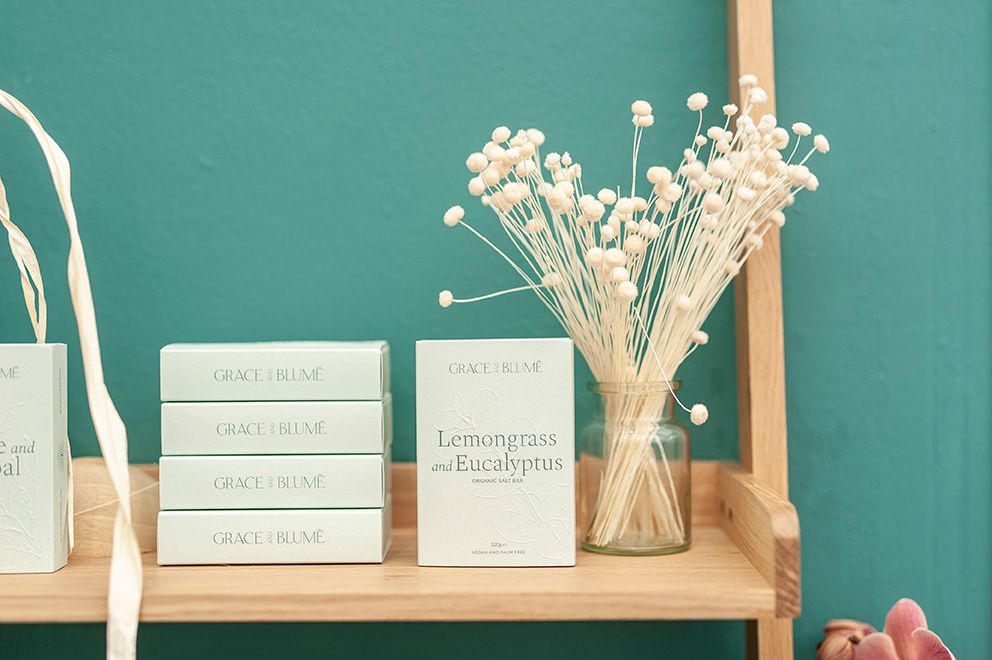
Expanding a gift shop’s inventory is rarely about one big buying spree. It is a gradual process of reading the market, understanding what already sells, and introducing new lines without alienating the customers who keep the till ringing.
Start with what customers are actually buying
Before adding anything new, take a hard look at the existing range. Which lines sell steadily, which gather dust, and where are the obvious gaps? Best-sellers often justify a deeper buy in the same category, while complementary products can lift average transaction values without requiring a completely new customer base.
Alongside that internal review, it pays to watch wider trends. Industry reports, trade press and visits to established buying events all help build a picture of which categories are growing and which are fading. Gift retail moves quickly, and a product that felt fresh last spring may look tired by autumn.
Use trade events to source with confidence
Trade shows remain one of the most efficient ways to see a large number of suppliers in a short space of time. They allow buyers to handle products, compare quality, discuss margins and place orders face to face rather than through a screen.
For those new to a particular event, dedicated first-time visitor support can make the day far more productive, from orientation to advice on which halls or sections to prioritise. Established shows typically host hundreds of brands across gift, home, stationery and lifestyle categories, giving buyers the chance to discover smaller makers alongside better-known names.
Build in sustainability
Eco-conscious purchasing is no longer a niche concern. Shoppers increasingly ask where products come from, what they are made of and whether they can be recycled or reused. Stocking upcycled, refillable, plastic-free or responsibly sourced lines signals that a shop takes those questions seriously.
This does not mean overhauling the entire inventory overnight. Introducing a small, well-chosen sustainable range and labelling it clearly is often enough to test demand before committing further.
Merchandise the new stock properly
New products only earn their shelf space if customers notice them. Themed displays, seasonal groupings and well-planned window arrangements draw people in and encourage them to linger. Rotating displays regularly also gives repeat visitors a reason to look again rather than walking past what they assume they have already seen.
Positioning matters too. Placing a new line next to a proven best-seller can introduce it to shoppers who might otherwise overlook it, while keeping impulse buys near the till continues to work as well as it always has.
Track results and adjust
Once new lines are in store, sales data should drive what happens next. Slow movers can be cleared through targeted discounts or bundled promotions, freeing up space and cash for the next intake. Fast movers deserve reordering before they sell out and leave shelves looking sparse.
The aim is a rolling process rather than a one-off refresh: review, source, display, measure, repeat. Handled that way, inventory expansion stays manageable and keeps a gift shop relevant to customers whose tastes continue to shift.